20 March 2026
5' ELEVEN MAGAZINE INDUSTRY VOICES | Online Interview by Leigh Maynard
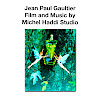
“Photographer, film director, and publisher Michel Haddi has created some of the world’s most iconic and compelling images. Working with celebrities like Kate Moss at the beginning of her expansive career, capturing fashion icons like Jean Paul Gaultier, with his humour evident in the image, or musicians like Debbie Harry, showing her true nature that goes beyond beauty. And while moving amongst rock and fashion royalty may be his reality today, his story began with a childhood that saw him move through the foster system until the age of six, and whilst residing at the Sisters of Saint Vincent de Paul Orphanage in Paris, his mother would visit and bring Michael copies of Vogue. It was a shot by the great Helmut Newton that caught the aspiring artist’s attention, spurring him to leave Paris and become a photographer.
As he became older, Michel began to travel the world and hone his craft, assisting photographers with Victor Herbert, becoming a mentor who would encourage and guide him through his career. A meeting with Lucinda Chambers and Jon Hind led to a ten-year collaboration with Vogue, and from there, Michel worked with some of the most prestigious publications, including The Face, Vogue, Harper’s Bazaar, Tatler, GQ, L’Uomo Vogue, Interview, and the Cannes Film Festival, among many others. He has also photographed campaigns with some of the biggest fashion houses, from Armani, Yves Saint-Laurent and Emilio Pucci to Guerlain and Rochas.
From 1989 on, he moved around New York, Los Angeles, Paris, London, and Milan and during his time living in the United States, Michel has captured the essence of high-profile celebrities such as Angelina Jolie, Uma Thurman, Faye Dunaway, Nicholas Cage, Clint Eastwood, and Martin Scorsese.
Today, with a film and many exhibitions to his name, he also owns a publishing house, creating series like Legend that celebrate the many figures who, in their respective ways, hold legendary status in Michel’s and many others’ eyes.
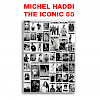
Books such as Anthology Legends feature 400 iconic portraits between 1999 and 2000 while other titles include Acid in Wonderland, Surf and Turf in Tahiti, Paris: Dream on Baby, Berlin: The Beat Goes On, Rio: Boum Boum on the Beach, Made in USA, I love America Don’t You, Blue A Whipping, Delight, JP Gaultier Happy Birthday, Glamour Puss, 1001nights, Milano Centrale and the Fighter’s song.
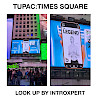
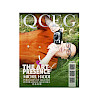
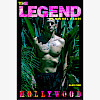
Currently based in London. Michel has recently released the book The Legend Hollywood, featuring 66 pages of stunning images, each copy individually signed, while his book The Legend Flore De Mal explores the intense natural beauty of plants. Michel is also pleased to announce that he will be part of this year’s Venice Biennale, an international cultural exhibition hosted each year in Venice. The festival, in collaboration with Times Square, saw Michel’s incredible portrait of musician Tupac captured, scaled up and beamed across the Square’s bright lights.
In addition to many upcoming books with his publishing company, Michel is working on a new film. 5ELEVEN Magazine chatted to him about his latest projects, The Legend Hollywood and The Legend Flore de Mal, his work with the Biennale, and capturing some of the most iconic images.
What was the original focus for the inception of your Legend book series? Did they emerge organically from your archive, or were they developed as part of a wider, more deliberate cultural statement?
Very interesting. This collection was based on a couple of things: campaigns for Blackglama in the late ‘60s—”What Becomes a Legend Most?”—with icons from Marlene Dietrich, Sophia Loren, Judy Garland, and even Naomi Campbell, with whom I work, and many more. Plus, when Avedon does Marlene’s legs, what can I say? So, it occurred to me that most of the people I work with are legends in their own right. And a film with Will Smith, I Am Legend; we are all legends.
Does the latest version, The Legend Hollywood, focus on nostalgia, the celebration of talent, documentation, or a more personal lens?
Hollywood for me is very personal. I lived there for years; I am still in Los Angeles. It is, without a doubt, some of the best years of my life. And in all fairness, when you have the daughter of Eddie Murphy who comes and gives me a hug because she heard through family who I was, I suppose this is Hollywood, and it is a big part of my life.
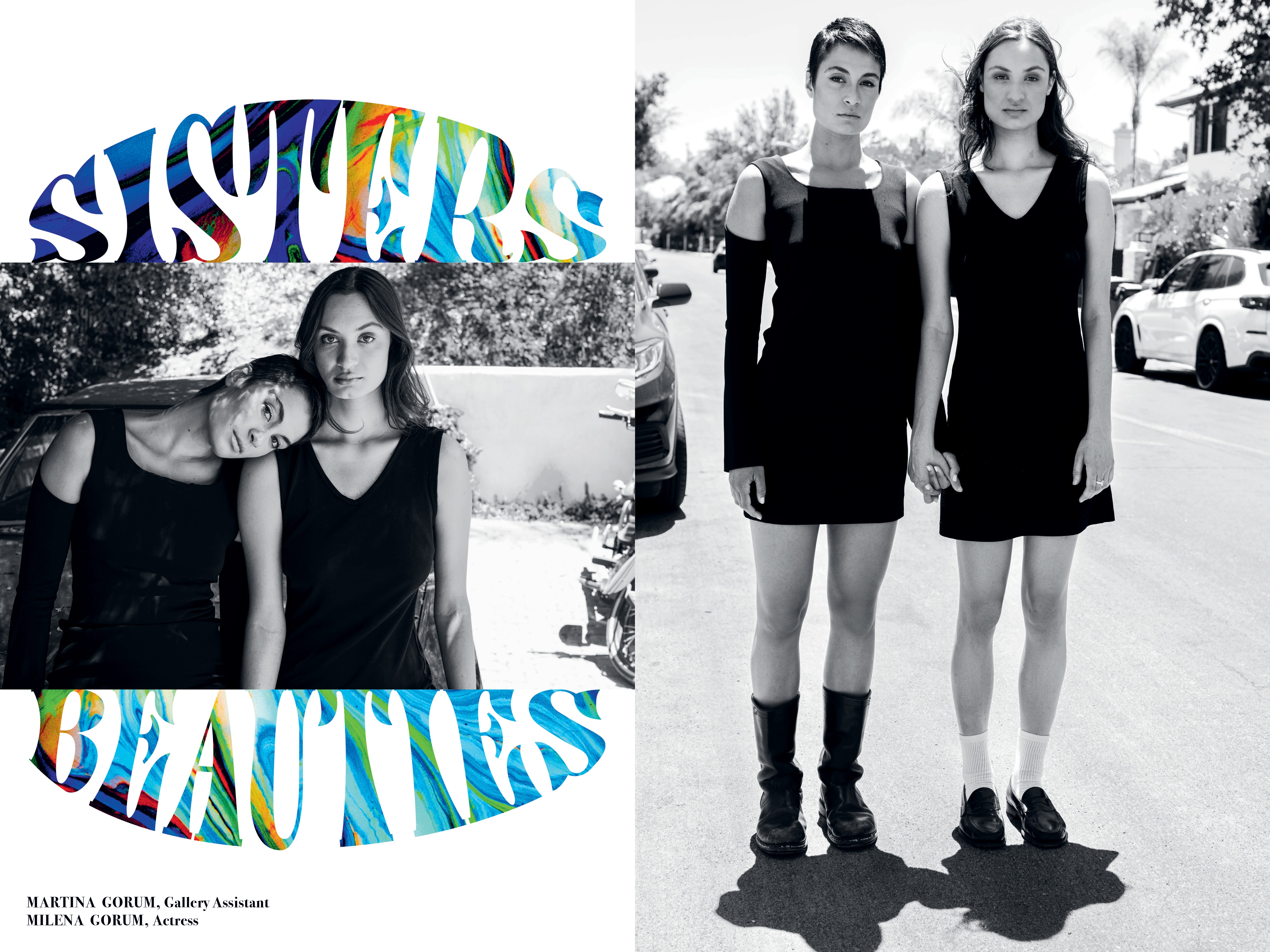
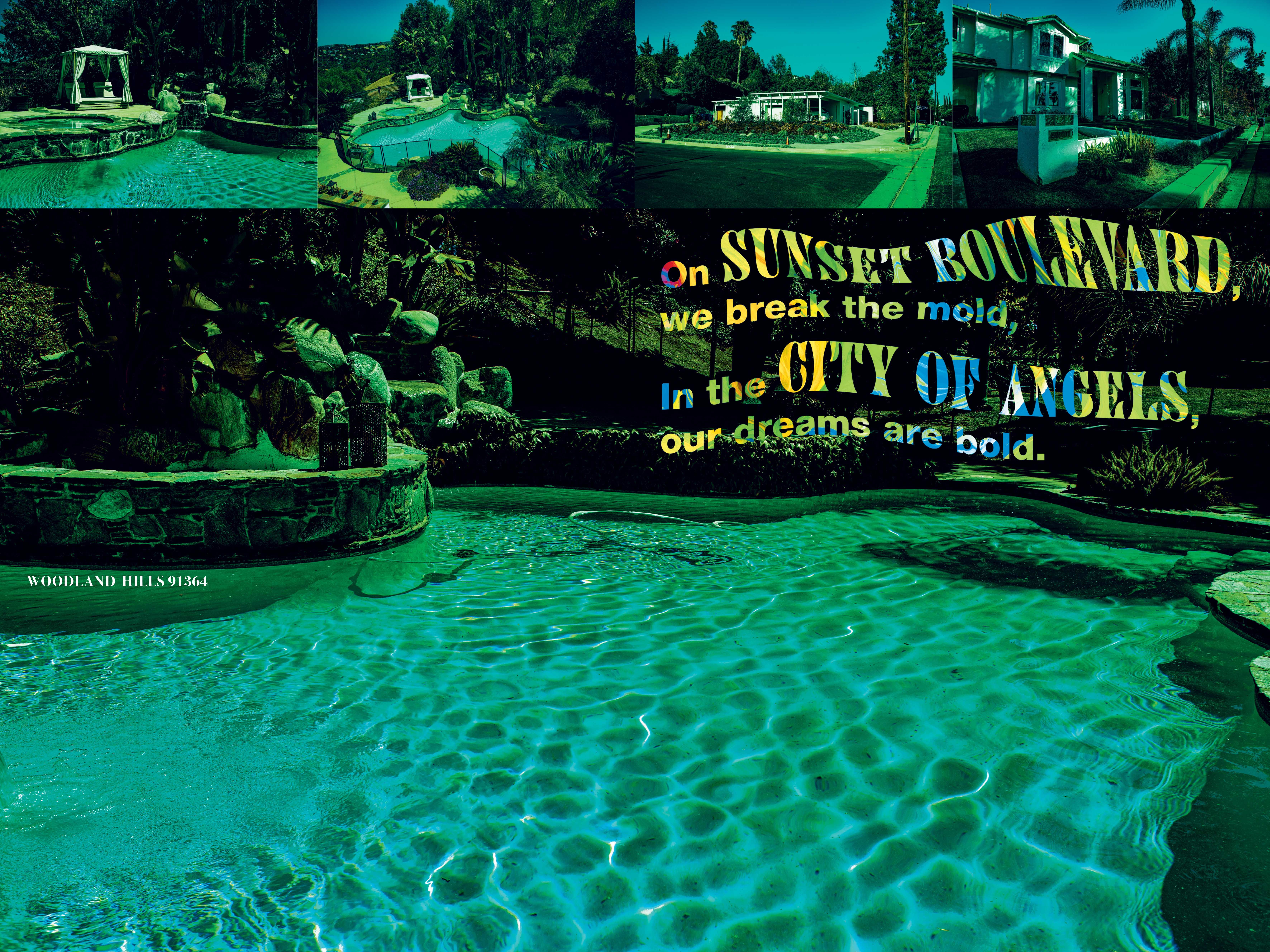
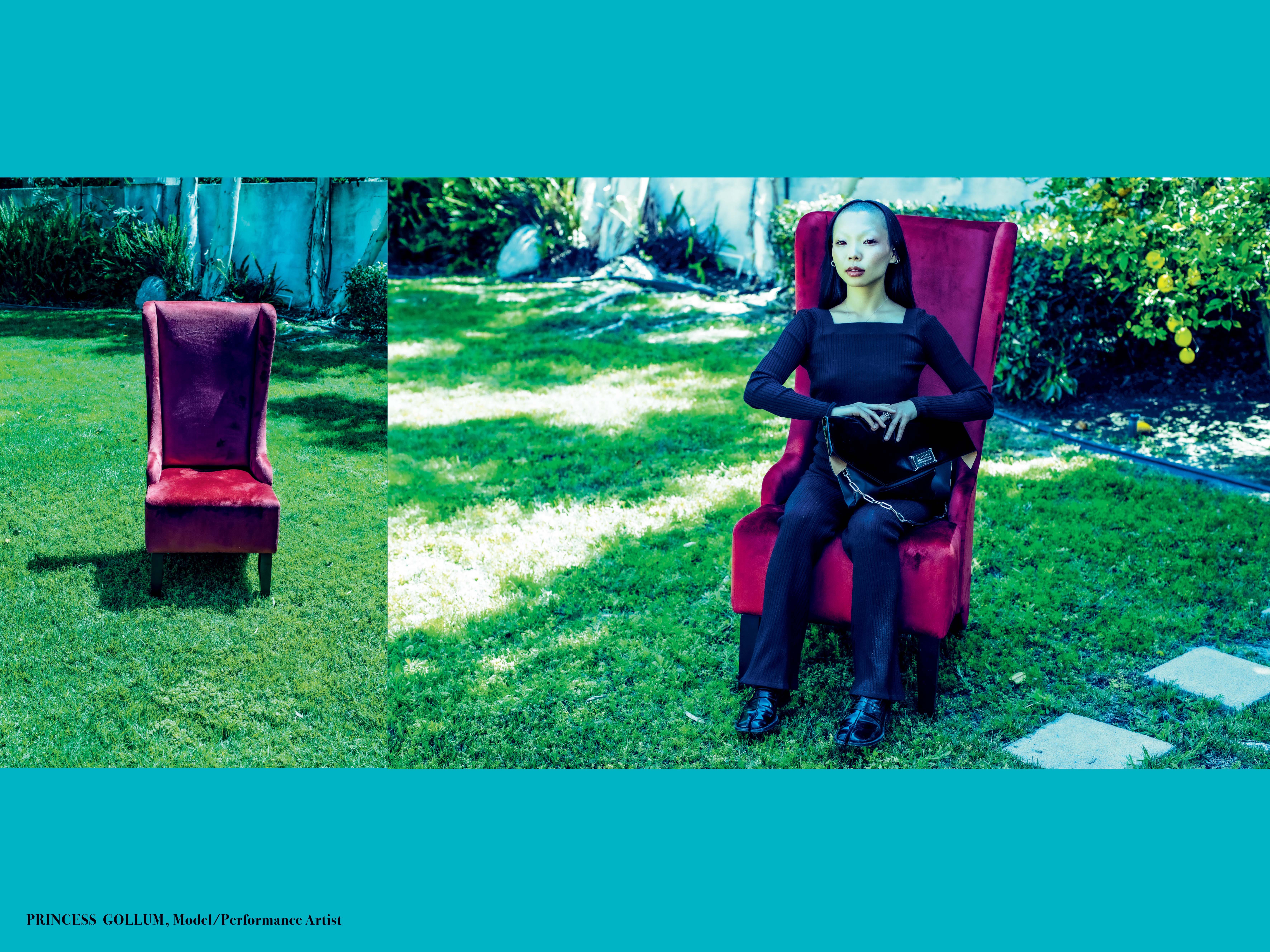
Pages from 'The Legend Hollywood' book by Michel Haddi
What does the word “Legend” mean to you in the context of your books? Is it about talent, cultural impact, longevity in the industry, and do you think that Hollywood creates a different type of legend today compared to the golden era?
In my narrative, “Legend” is a broad word. It is, in a way, an achievement that pleases my senses. Some will say, “You are not objective.” Yes, Matty, I ain’t. Some people work for 50 years, and they have not been recognised for their talent of any kind. A legend can be Joe the bricklayer; if I decide that he is a legend, well, he is. It is more of a feeling from my heart; it is a statement. Some will call it counterculture.
Why was it important for you to showcase the work of Hollywood’s emerging talent, and how did you select your subjects? What stood out about them?
The great thing about getting older is seeing the youth, the new generation. Plus, I suppose it is the real fear of getting older—to be like in The Picture of Dorian Grey, the scary painting in the attic. The whole casting came in a very organic way: calling friends. I have a very good producer who was a model when he was younger and whom I worked with for Vogue back in Hollywood in the ‘90s. As I said, some were unknown, and some already had some press. The point is, if you try too hard, you will miss your boat. Be a flower, follow the scent, and don’t ask too many questions; otherwise, you will have a nervous breakdown.
Can you talk us through some of the talent you worked with for this book and how you approached their portraits in terms of creative style and authenticity?
Thank you first. As far as I am concerned, the term “portrait” is not my cup of tea. An image is an image, whether I do a close-up, a still life, etc. No, let’s go more into the essence of it. These people have talent; all I do is portray who they are in my own world, or my way of seeing things in life. Whoever I work with will be a narrative, whether a chambermaid or a top model; I will bring them into my world.
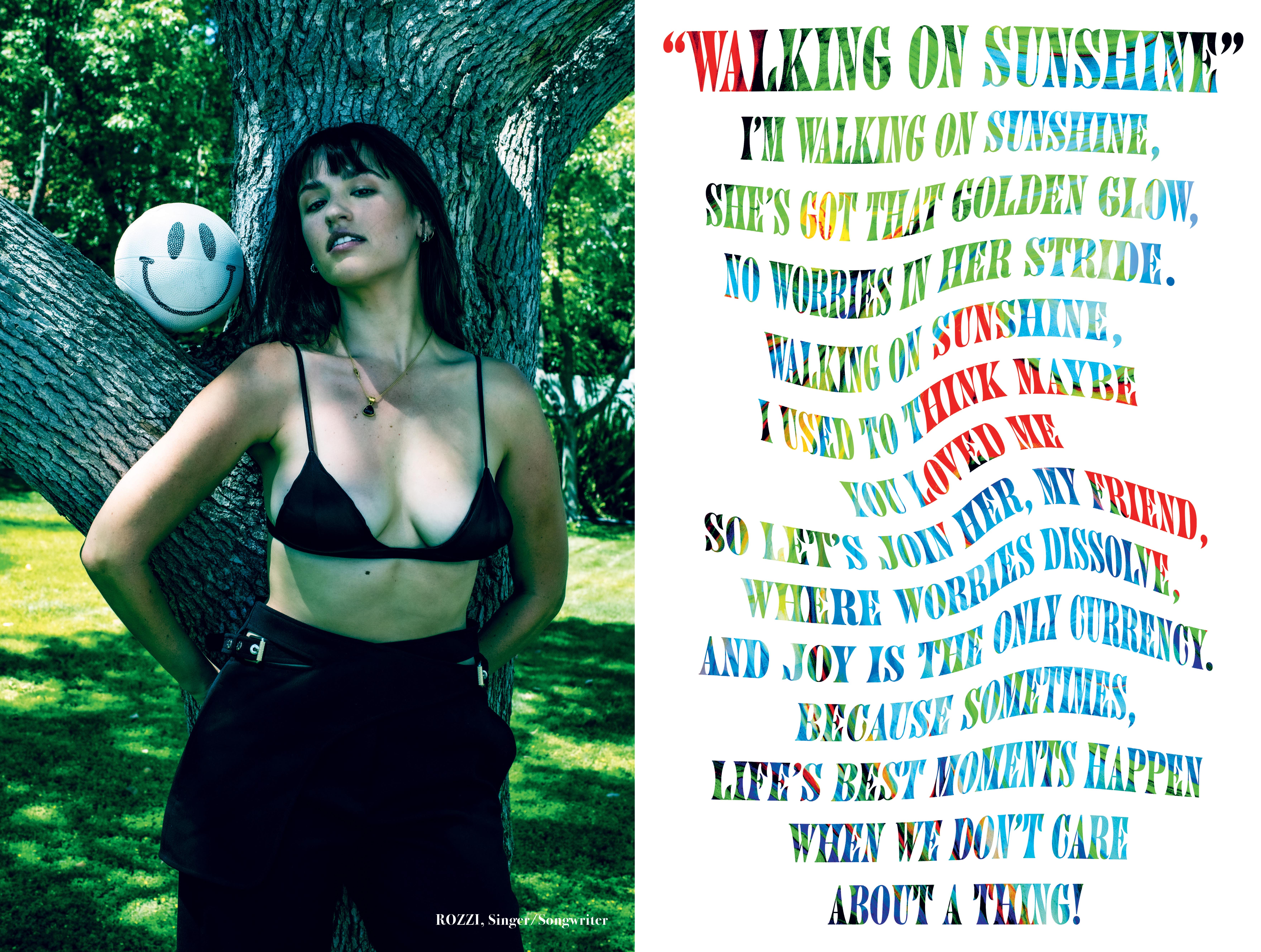
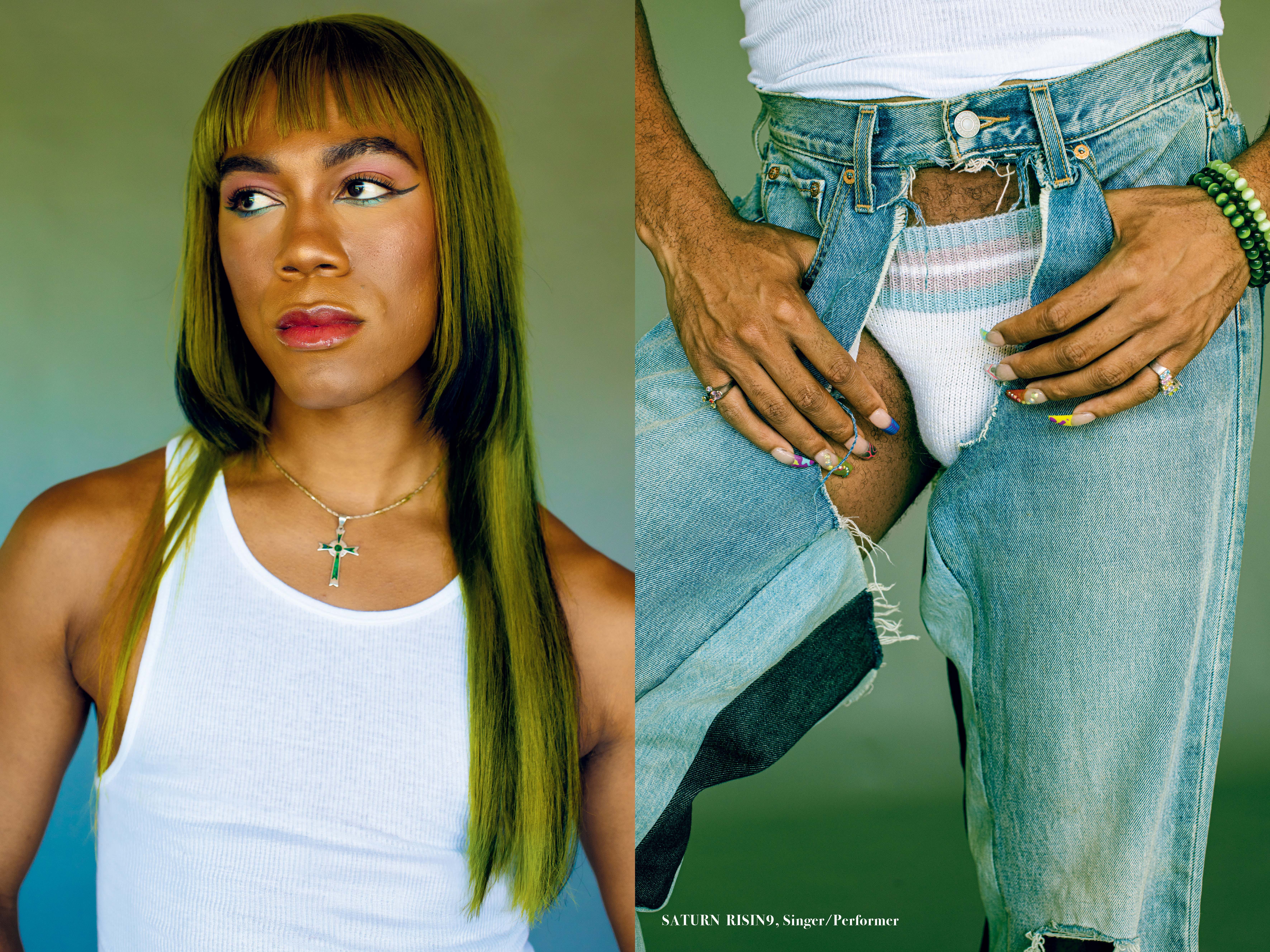
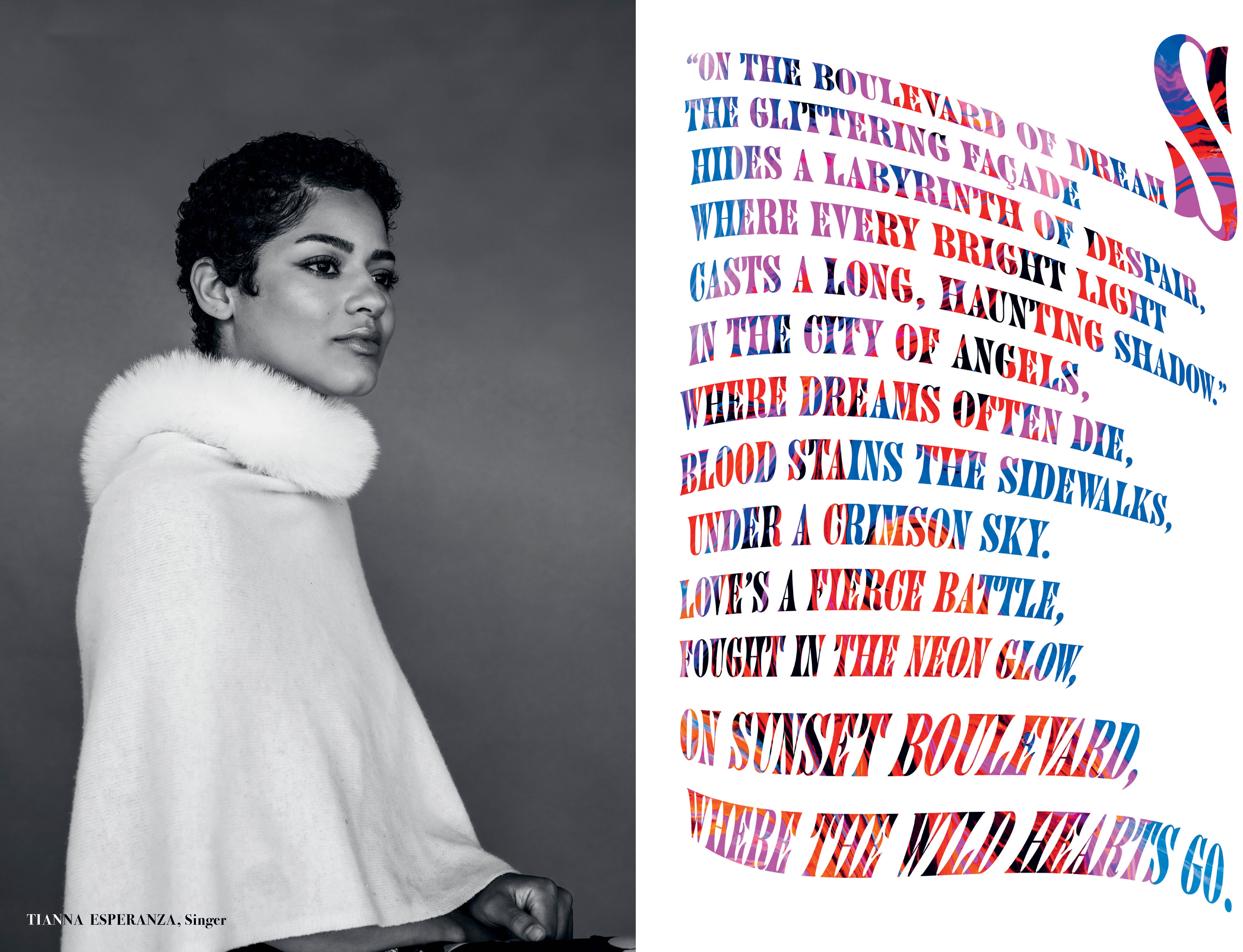
Pages from ‘The Legend Hollywood’ book by Michel Haddi
What are some of the highlights from this project, and what did you learn as a photographer once it was completed?
See human subjects for what they are. There are no highlights for me. That said, some images I love now from this Legend Hollywood; maybe in the future I will prefer others. It is a matter of perspective. Maybe what I learned is to push the button even more in terms of lights or pose. The point is, I am never happy with the results anyway. Others will decide, not me.
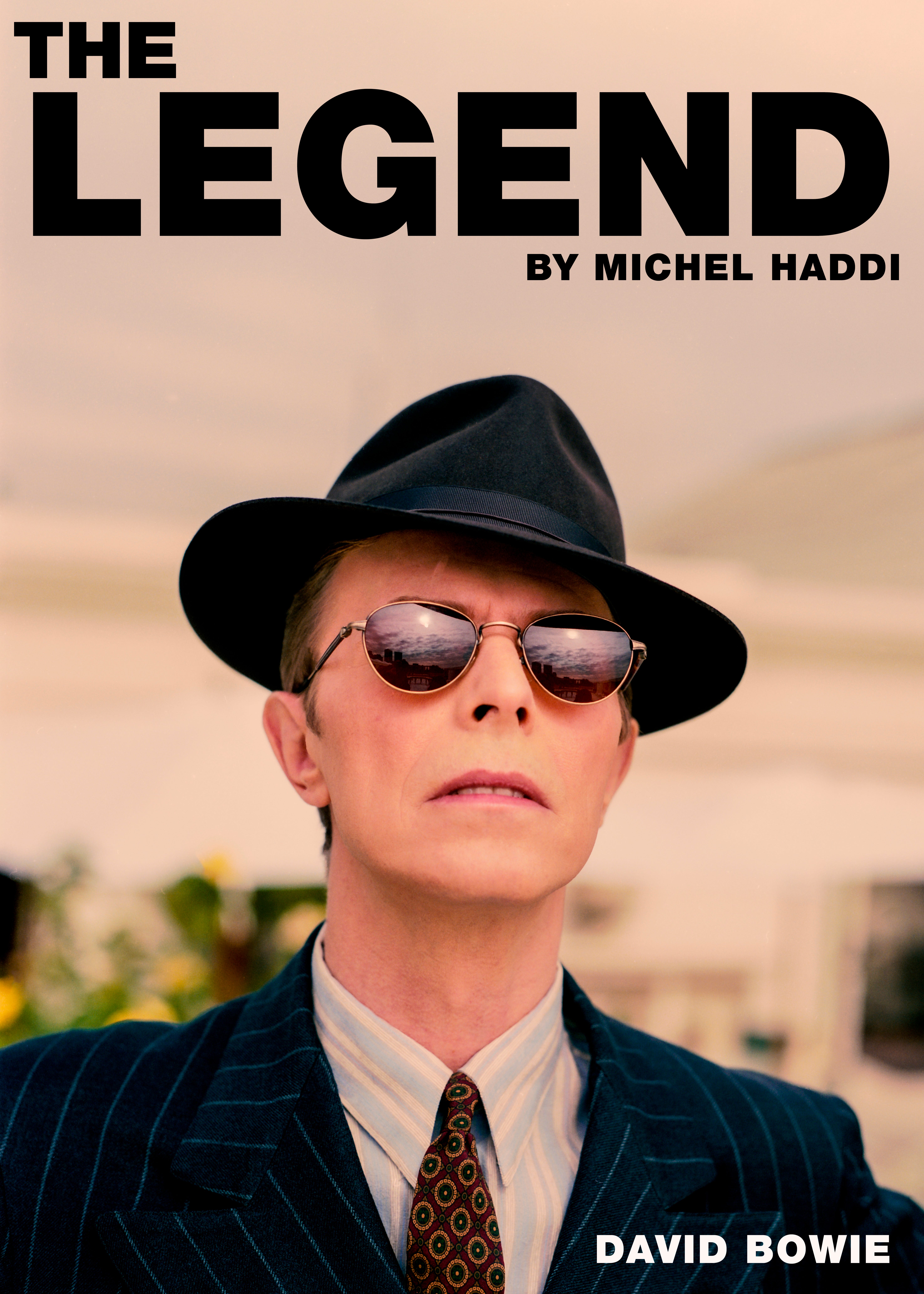
One of your most iconic books was created with an icon himself, David Bowie. Tell us about when you first met and how your relationship developed over time.
One day, I got a phone call from Interview magazine to photograph David Bowie at the Peninsula Hotel. I have always been a fan of Bowie since I was 14 years old; that was grand, I have to say. But the uncanny thing is: my dear friend Iman did call me a year earlier, and we had a meeting. She was head over heels for David Bowie, and she wanted to meet him, really, for me to give her the seal of approval. And I said, “Darling, you are made for each other.” Job done. My duty as a friend was done. We never saw each other again; that’s life.
David was famously selective with the photographers he chose to collaborate with — what do you think made your creative dynamic unique?
The dynamic sometimes works based on a word or an attitude. This time, it was just the fact that I said to him, “Wow, I mean, you look like an actor coming out of a neorealistic film from Visconti.” Again, the simplest way of expressing yourself will, in the end, turn it into a great piece.
Bowie had so many visual artistic evolutions. How did you decide which moments best captured his incredible spirit for the book?
His looks, darling. Just his look — that was enough.
Moving on to your book, The Legend of Flore de Mal, what sparked the concept of the book, and what does Flor de Mal represent to you conceptually?
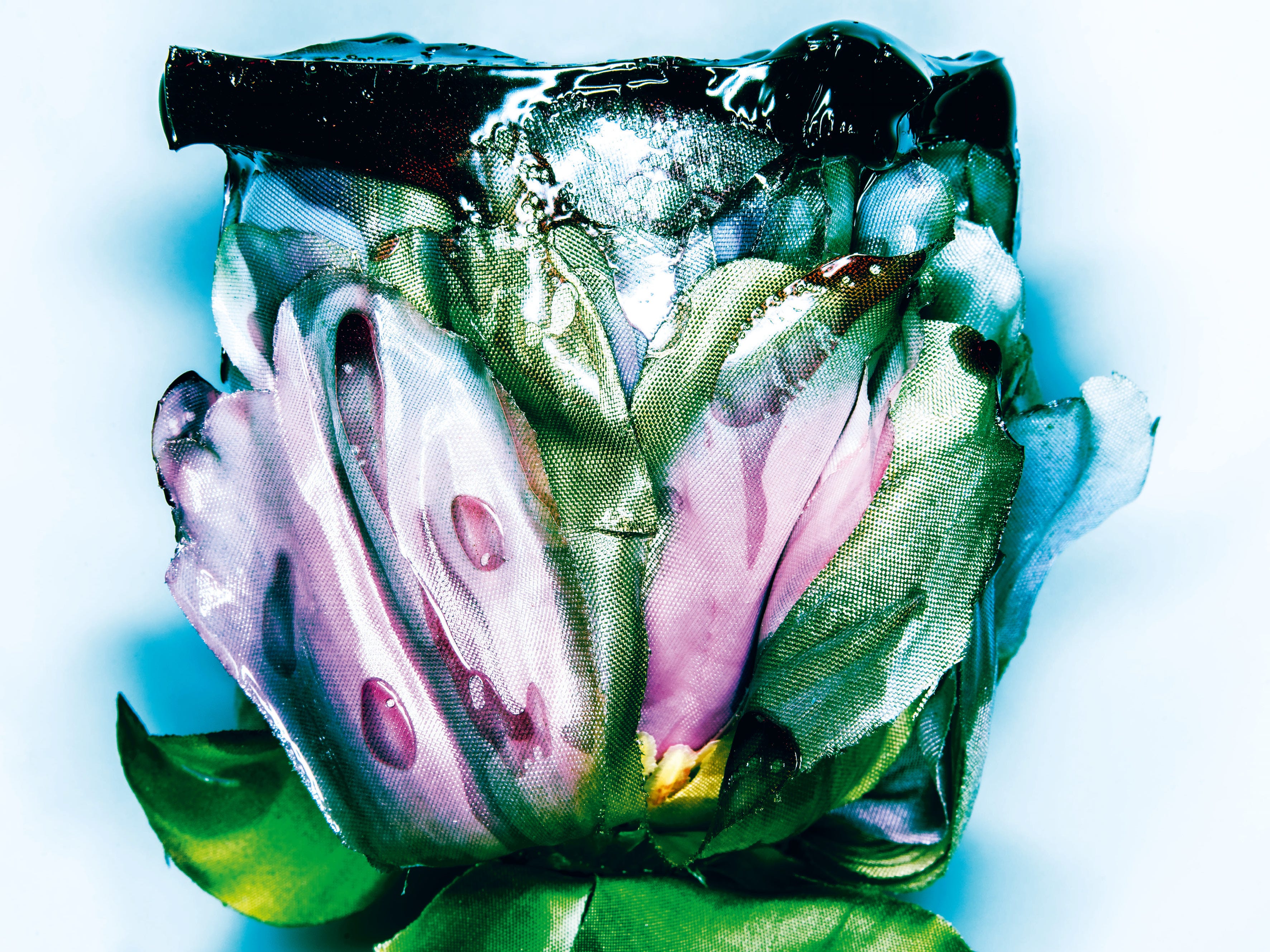
When you are stuck in a jail with nothing to do, or it’s impossible to travel — I mean, the COVID years—the first day I said to my wife (Sarah is a photographer), I said, “Let’s do the most sexual book on flowers.” So, for two years, every other day, we would do a little fantasy, Flore de Male. Why? It is based on Les Fleurs du Mal by Charles Baudelaire. I love anything that will change the perspective you have on flowers. Get this: a few morons with no talent had to copy or try to copy the concept.
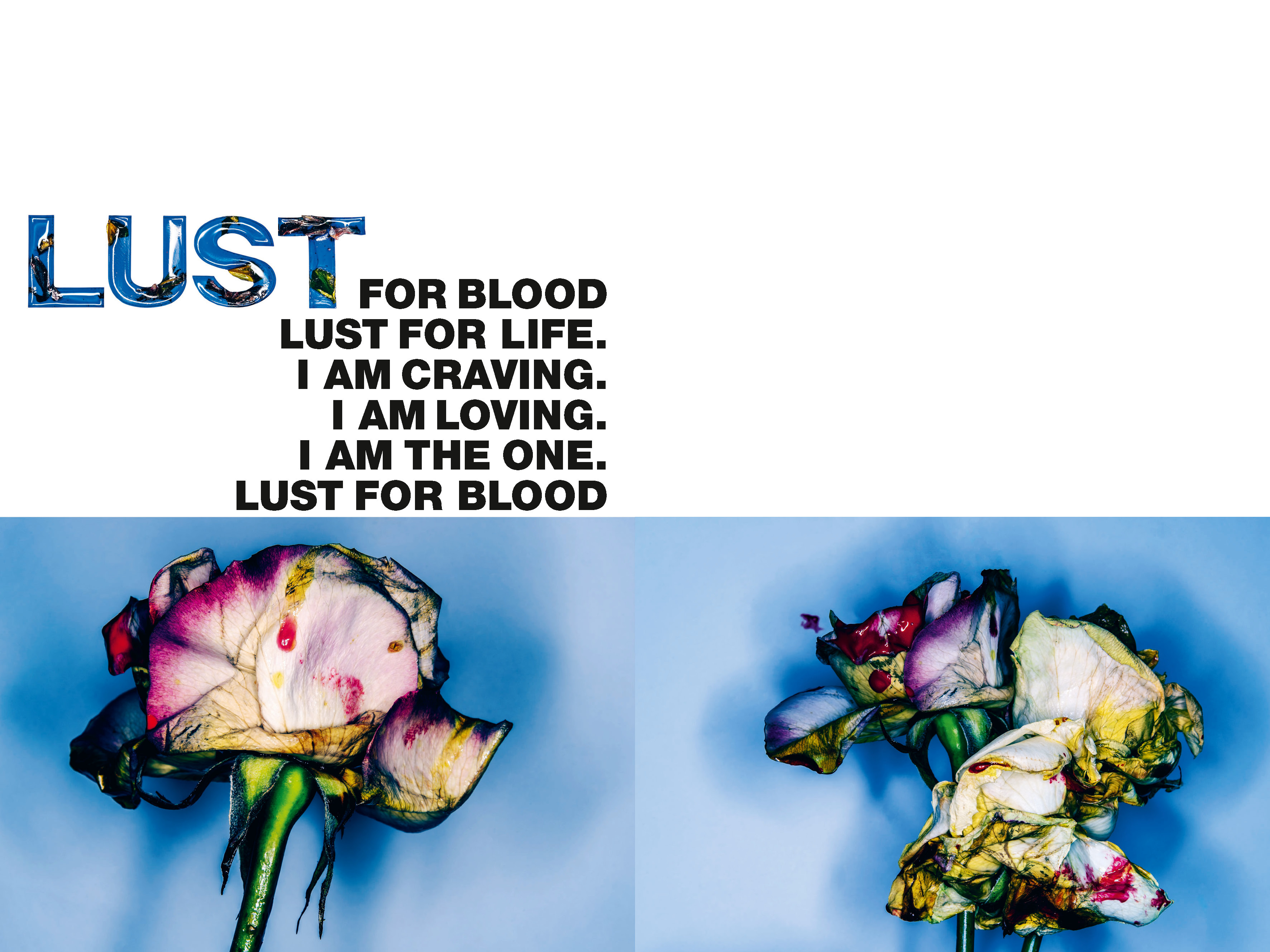
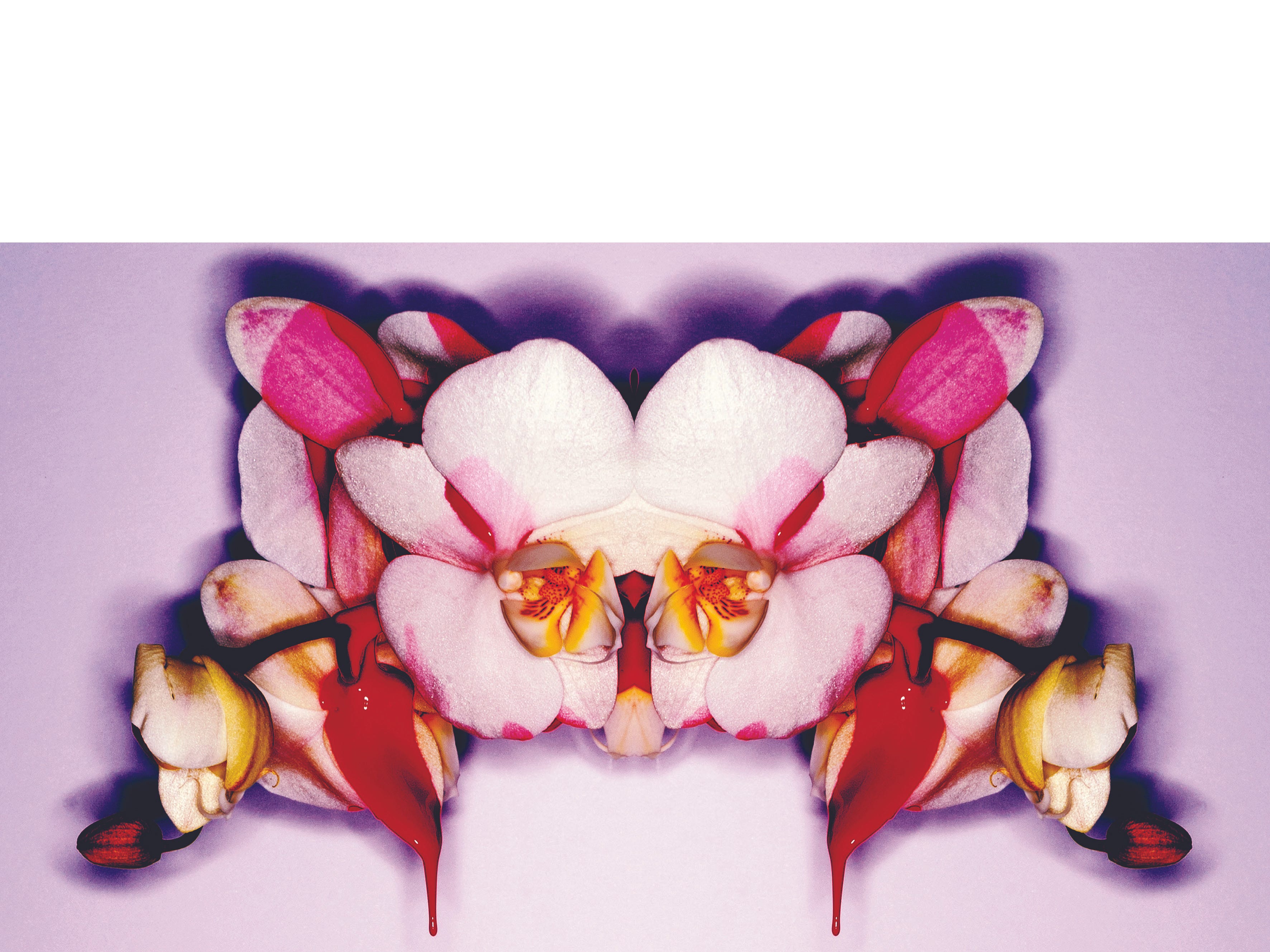
Pages from ‘The Legend Flore De Mal’ book by Michel Haddi
It is such a different concept from your portraiture. What was your creative approach when working with this still life book, and how did you create some of these incredible images?
Again, the bottom line is I am a photographer. So, whether I shoot a flower, a naked girl, or a peasant, there is no difference. For me, it is a stage, and I have to push it for the best of the worst. As you know, in all fairness, deep down, no one is interested in average or mediocre images. The public is not a fool.
What is the message about eroticism that you want to portray through each image?
I have a question: how can you show images close to pornographic images in a fashion magazine? Well, you have to use your imagination and find ways of fooling the readers. Then, at that stage, your imagination travels, and by association of ideas, a flower suddenly looks like sex. It is all fun.
You also had the opportunity to be part of the Venice Biennale, where your image of Tupac was displayed in Times Square – seeing your image projected in such a powerful manner must have been.
Well, the nice thing about this is that I have to thank my friend Rachel Vancelette, who had the idea and the concept of “Look Up” Times Square, Thanksgiving. Yes, of course, self-love, self-satisfaction. And yes, when you hear the public screaming Tupac’s name when they see the image, I feel like a cat purring.
How important is it to you to be part of the Biennale?
Well, it is an ego trip. Roughly, it means after 50 years, someone decided I am worth it. Again, Rachel Vancelette is organising it in the Look Up festival.
Do you feel that scale changes how an image is perceived, and how does the image transform when it goes from a page to a public monument?
Oh yes, the new difference: you are a “made guy.” You finally have a license to kill because you belong to a club. You ask for more money for your advertising shoots, ahahahaha.
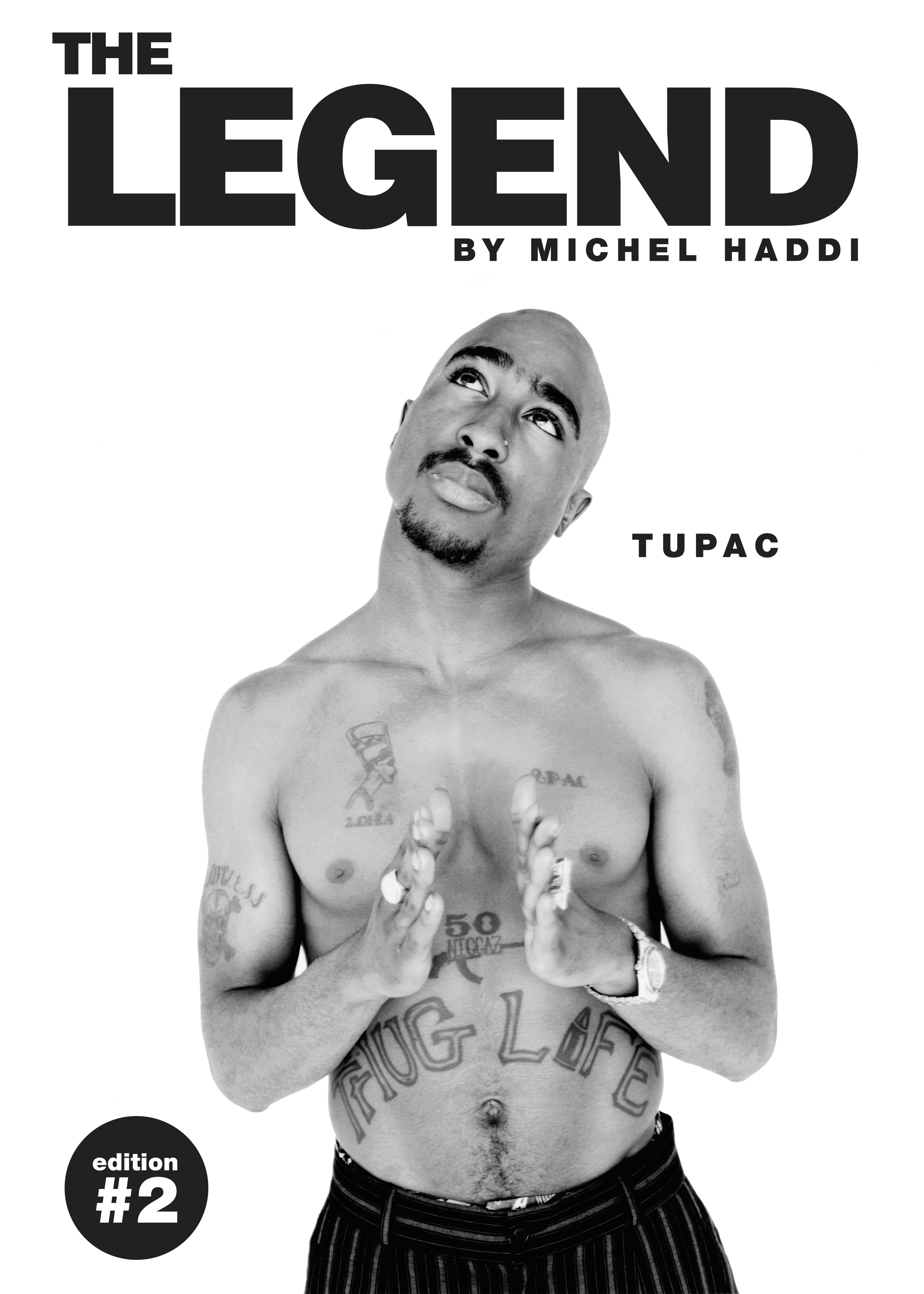
What is your lasting memory of Tupac, and what would you like to achieve in terms of his legacy through this project?
Tupac was a charming guy, like me, raised in the hood for a part of his or my life. And a young man who liked to smoke big blunts, but in a serious way, a very talented man. Just like in the movie Poetic Justice. And interestingly enough, we will release a TV series about the Black Panthers at the end of the year.
You recently received a lifetime achievement award from the music magazine Best. How did it feel to have your work recognised in such a way, and when your legacy is discussed decades from now, how would you like it positioned?
It was a nice feeling. But to be frank, the statue is being used to press prints; it’s big, it’s bold, and it’s beautiful. Besides, I am moving on. And as a kid, I don’t think I achieved much in my life; only my peers or my wife mentions it. I always tell kids be detached from your ambitions, don’t look at your belly button, enjoy the glory of this world.
Do you see yourself continuing the “Legend” series? If so, where next and what other projects do you have coming up?
Oh yes, the next one could be the Red-Hot Chilli Peppers in Berlin during the fall of the Berlin Wall, as I was there. A book on all the Black people I photographed since 1978, and films, as I mentioned before. But keep in mind, Legend is my way of giving back to the people I worked with or for. And if the title was shit, I would have stopped. And I see here and there a few doing the same and calling their magazines the same name, ahahahaha. So, you see, I won’t stop. As long as I can piss them off, I will keep up the juice.
The Legend Hollywood is available here. The Legend Flore de Mal is available here.
Find out More about the Biennale here.
All Rights Reserved by 5’ELEVEN’‘ Magazine and 5ELEVEN Ltd © 2026